

Disaster management crew has the key to the difference between anarchy and salvage when a disaster hits, whether it be a flash flood, a falling structure, or a wildfire. However, here is the truth about the matter: these teams are usually put under severe stress with outdated equipment, a breakdown in communications, and even diminishing resources. Are you a stakeholder, a local body, or a concerned citizen, and are asking, How can we empower the disaster management crew?
The right question to ask is empowerment. It is not only about giving them a pat on the back, but it is also about furnishing them with the infrastructure, technologies, and psychological support that they require to save lives efficiently. The practical steps, contemporary tools, and strategic changes needed to transform a failing response team into a high-performance disaster management team.
Before we get down to solutions, we should identify the leaks in the bucket.
Most disaster management crews encounter three major pain points:
- Information Silos: Ground crews do not necessarily have access to the same data as those in the command center. The impact of this is redundant effort or even lost opportunities.
- Resource Lag: With the time required being seconds to save a life, waiting around to use manual processes or transportation to the location to order life-saving medicine is disastrous.
- Mental and Physical Burnout: Continually being in the environment with high levels of stress without adequate recovery leaves bad forward-moving results and leads to judgmental behaviour.
How Can We enable the Disaster Management Crew?
We have witnessed these problems manifest over the last several years during urban flood disasters and forest fires, where the absence of a Single Source of Truth held life-saving medicine hostage.
(The Solutions Framework)
1. Technological Enablement: The Digital Muscle.
To enable a crew, you need to provide eyes and ears to that crew, but eyes and ears beyond human capability.
- With Integrated Command and Control Centres (ICCC), live satellite feeds and weather sensors become accessible to the crews.
- IoT and Wearable computers: Smart helmets and vests will have GPS and biometrics that will enable the command centre to track the vitals of a responder and their precise whereabouts.
2. Psychological Empowerment: The Emotional Shield.
Empowerment is primarily a brain matter and not as much a machine matter.
- Normalizing Mental Health: The truth is that Psychological First Aid (PFA) should be included in the standard exercise. This is not merely the therapy; it is the weapon of letting soldiers who experienced combat-related stress adopt a tool to detect burnout and its symptoms among colleagues.
- Peer Support Networks: Active combat veterans are to be educated on how to notice burnout among colleagues. The emotional knowledge that somebody has your back is a huge motivational driving engine.
3 Operational Decentralization.
There is nothing as exasperating as red tape to a crew. We enable them to make prompt decisions by decentralizing some of their decision-making powers, that is, by permitting field leads to approve instant life-saving costs.
Read about BK 182 Explained
Step-by-Step Implementation Guide.
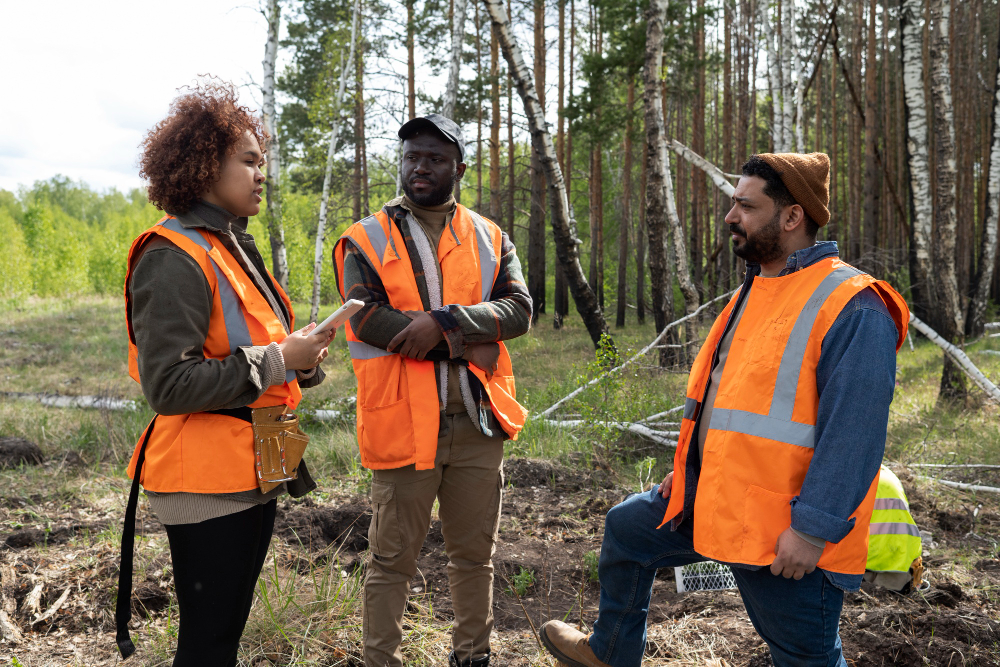
To enable field leads to take swift action, follow this step-by-step guide to empower them:
Step 1: The InfrastructureAudit.
The first step to becoming empowered is to understand your technical debt. Are your radios interagency compatible? Do you have an updated mapping software? Determine the point of failure between the ground and the command centre.
Step 2: Automate the Mundane.
Don’t keep your highly trained responders filling out spreadsheets anymore. Automatic recruitment and reporting of incidents through AI-driven communication channels. This eliminates repetitions in order to allow them to focus on the mission again.
Step 3: Advanced Scenario-Based Training.
Traditional training is not sufficient anymore. Use Virtual Reality (VR) to practice Black Swan events, which occur infrequently but have a serious impact, to develop the SOPs muscle memory in shipside crewstore development.
Step 4: Centralize SOPs and Protocols.
Be sure each crew member is able to access a digital hub that has Standard Operating Procedures (SOPs). During a crisis, a computer can forget, and having a searchable, lightweight database of protocols in a smartphone is empowering.
Contemporary Tools and Services that Count
The power of the crew can be achieved through supplying them with a tech stack that can withstand the toughest situations. Here is your content formatted into a clean table:
| Category | Recommended Tool/Solution | Primary Benefit |
| Communication | Mesh Networks & Satellite LTE | Connection even during the downing of cell towers. |
| Management | BotPenguin / CRM for NGOs | Robotizes the management and intake of volunteers. |
| Training | VR-Based Simulations | High-stress practice conditions can be safe. |
| Logistics | Predictive Analytics AI | Predicts the coordinates of supplies, in advance of a hit. |
Real-Life Story: Recent experience. In a recent hurricane relief effort, we noticed that teams who utilized a centralized incident reporting application saved about 30 percent of time in making field assessments, versus teams that used manual radio logging.
Common Mistakes to Avoid
- Purchasing Drones Without Education: Drone technology is worthless when its buyers are not trained to analyze the information presented by a drone.
- The Local Knowledge is Ignored: Sometimes, it is the most empowered group of the crew individuals who listen to the leaders of the local community, as the ones who are aware of the shortcuts and the land more than any GPS.
- Lack of the Feedback Loop: Failing to carry out the After-Action Reviews (AARs). Unless the crew is allowed to voice their opinion on what went wrong, they cannot get any better.
People Also Ask: How Can We Empower The Disaster Management Crew
How then can I best empower crews in disaster control?
Integrated technology and decentralized power are some of the best ways to empower disaster management crews. Crews will be able to respond more quickly by giving real-time information tools (such as AI chatbots to handle logistics) and enabling field leads to take immediate action on a particular situation on the ground as precisely as possible. Also, mental health provision as a routine measure can make the crew ready to act in case of severe pressure.
What can be said about the efficiency of emergency responders and the effectiveness of the use of technology?
Technology enhances efficiency since it delegates mundane tasks. For example, victim registration, volunteer onboarding, etc., can be performed by AI and allow the responders to concentrate on search and rescue. Such developments as Mesh Networks guarantee an always-on line of communication even in cases when the cell towers are offline, and analytics allow the forecast planning of resources as the disaster reaches a crisis point.
Why is mental health vital in disaster management empowerment?
Disaster response is psychologically difficult. Empowerment is not about the physical means, but the cognitive ability that real-life responders must have, which does not get impaired by Post-Traumatic Stress (PTS). The Psychological First Aid (PFA) and peer support programs allow the crew to make more definitive and rapid judgments in the face of a disaster.
Conclusion
Getting the disaster management crew empowered is not a one-time buy or a one-time seminar. It involves an unending dedication to technology, training, and trust. When we get our teams the right data and the newest skills, and the mindset they could benefit from, it is not just that we are assisting them in performing a job, but we are creating a stronger society.