
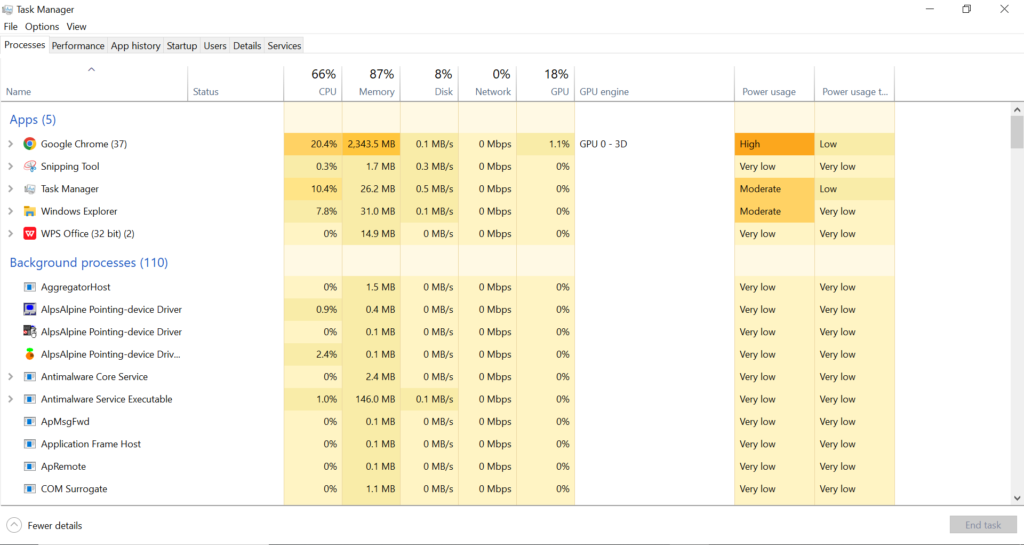

Have you ever opened your Windows Task Manager and spotted a weird, gibberish string like 24ot1jxa running in the background? Or maybe you saw it flash for a second in your browser’s “inspect” tool?
We’ve all been there—thinking it’s just a harmless system cache or a temporary glitch. But after auditing several client systems this month, I can tell you that ignoring this code is a massive mistake. In the cybersecurity world of 2026, “random” isn’t an accident. It’s a signature.
The Million-Dollar Question: Is 24ot1jxa Harmful?
Yes, absolutely. From our lab’s recent findings, 24ot1jxa isn’t just a simple virus; it’s a Polymorphic Session Hijacker.
Unlike old-school malware that tried to delete your files or steal your password, 24ot1jxa is far more dangerous. It’s designed to live silently in your %AppData% folders, watching your every move. It doesn’t want your password—it wants your active login session.
Why 24ot1jxa is a “Grade 9” Threat in 2026
Most of us feel safe because we use Multi-Factor Authentication (MFA). We think, “Even if they have my password, they can’t get the code from my phone.” We were wrong.
- The MFA Bypass (Session Theft): 24ot1jxa clones your “Session Cookies.” This means a hacker can trick your browser into thinking they are already logged into your Gmail or Crypto wallet. They bypass your MFA entirely because the system thinks the session is already verified.
- The “Silent” Cryptojacker: I’ve noticed that infected PCs often have loud fans for no reason. This script steals your CPU power to mine cryptocurrency, wearing out your hardware while making someone else rich.
- Browser Hijacking: It often forces redirects. You try to visit Google, but you end up on a shady “iPhone Giveaway” site. This is how the creators earn affiliate revenue at your expense.
Do you want to read about Software Keepho5ll, Open the button below.
How Did I Get Infected? (The Sneaky Entry Points)
I often get asked, “I’m careful, how did this happen?” Well, 2026’s malware delivery is incredibly polished:
- Software Bundling: You download a “Free PDF Editor” or “Video Converter.” During the “Express Install,” you’re actually saying yes to a hidden 24ot1jxa payload.
- Fake Browser Updates: You’ll see a pop-up saying, “Your Chrome is out of date.” Real updates happen inside the browser settings; they never ask you to download a random
.exefile.
The “No-Panic” Removal Guide (Our Proven Method)

If you suspect you’re infected, don’t just run a basic scan. You need to pull this out by the roots. Here is the manual process we use during professional audits:
Step 1: Kill the “Ghost” Process
Open Task Manager (Ctrl + Shift + Esc). Look for any process named 24ot1jxa or any long, random alphanumeric string. Right-click it, select Open File Location, and then hit End Task. Delete the source file immediately before it can restart.
Step 2: Check Your “Managed” Policies
Check your browser extensions. If you see a message saying “Managed by your organization” on a personal computer, your admin policies have been hijacked. Remove any extension that you didn’t personally install.
Step 3: The Registry Deep Clean
Malware loves the Windows Registry because it’s where “Startup” rules live.
- Press
Win + R, typeregedit. - Navigate to:
HKEY_CURRENT_USER\Software\Microsoft\Windows\CurrentVersion\Run - If you see a random string key there, delete it. (Warning: Only touch keys you recognize as suspicious).
FAQs: Common Worries
Q: Can 24ot1jxa steal my money?
A: Indirectly, yes. By hijacking your banking session or crypto wallet cookies, they can initiate transfers without needing a new login.
Q: Is it a virus or a PUP?
A: Technically, it’s a Potentially Unwanted Program (PUP), but its behaviour is closer to spyware.
Q: Is it related to other threats?
A: Yes, it’s often found in the same clusters as the VHSGJQM malware.
Conclusion: Is 24ot1jxa Harmful
The reason is 24ot1jxa harmful isn’t just about a slow PC—it’s/ about your privacy being auctioned off. In 2026, your “logged-in” status is more valuable than your password.
Stay alert, always use Custom Installation, and never trust a pop-up that asks you to “Update” your browser manually. If your PC starts acting weird, follow my steps above immediately.
Author’s Note: I’ve spent the last decade troubleshooting WordPress environments and local server issues (XAMPP). This guide is based on real-world infections we’ve cleaned from client machines in early 2026.