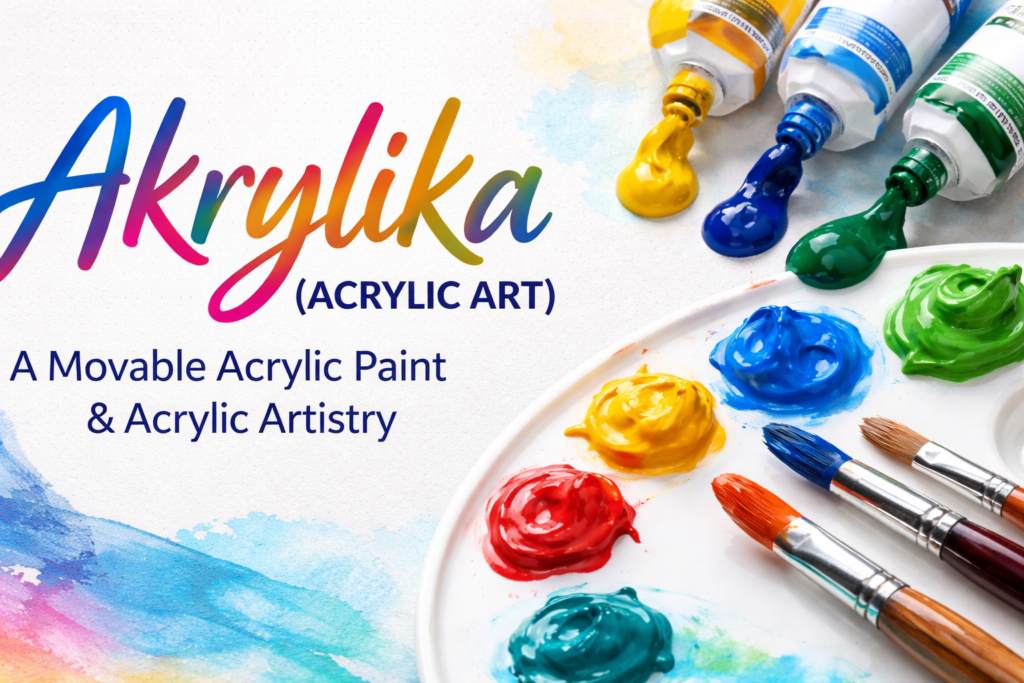

In the world of modern design and artistic expressions, there stands one name which surpasses in sheer versatility and vibrancy – Akrylika. Whether you are a human professional artist or simply want to fix up a museum in your home, it is important that you know this medium so that it becomes a colour-saving world. From the walls of fancy galleries to the friendly corners of an ecobricked-in living space, Akrylika has set a new definition for what it means to create.
But what really is it, and why has it become a dominant choice of creators in 2026? This guide digs through the science and the soul, as well as the more practical application of the acrylic excellence.
Introduction
The Akrylika revolution was not created overnight. It became a transformation from industrial coatings that were used in the early 20th century into the sophisticated and high-performance medium of today.
The Problem: For decades, creators have been stuck in the middle of two extremes. Oil paints had the benefit of richness of depth, but took weeks to dry and required toxic solvents. Watercolours were portable but fragile and unforgiving – all it took was just one mistake, and an entire piece would be ruined.
The Solution: Enter Akrylika. It offers the desirable aspects of both – the thick creamy texture of oils and the water solubility of watercolours. It is the perfect answer for the modern-day and fast-paced creator who needs durability, safety, and instant gratification.
Understanding Akrylika and Being Artistic.
To master the medium, we first of all need to encounter the most common question: What is Akrylika?
“At its best, it’s just intense, high-quality colour mixed into a pure liquid plastic that happens to be water-based. Think of it as a liquid plastic which is loaded with lots of colour. When applied on a surface, the water evaporates, and the polymer particles fuse to form a flexible, permanent and water-resistant film.
This is a phenomenon called polymerisation and is what gives Akrylika her “superpowers.” Unlike traditional materials, which may become brittle over time, this medium does not become brittle and cracking, a bane of centuries-old oil paintings.
Important Features of Acrylic Paint describe the characteristics of acrylic paint.
Its physical properties are unique advantages as follows:
1. Fully Cured Polymer resulting from Fast Drying
Time is a luxury. Akrylika dries in minutes; this makes it cheesy to layer colours, almost immediately. This is a game-changer for people who work in fast-paced or low-studio time.
2. Pigment Loading
Professional grade of Akrylika is filled with high-quality pigments. This means even if the colour gets diluted, the colours turn out punchy and vibrant and do not look washed out or “chalky”.
3. Chemical Stability
Once dry, it is inert. It will not yellow with age,e and it’s resistant to many chemical cleaners and stands up remarkably well to UV light, so that your art or decor will look just as it does in ten years as it does now.
4. Multi-Surface Adhesion
One of the most impressive characteristics of Akrylika is the “grip.” It can attach to almost anything – canvas, wood, metal, fabric, glass and even masonry – as long as the surface is free of oil and wax.
Types of Acrylic Paint: Which Consistency?
All Akrylika – Is It Created Equal? Making your project requires a certain “body” or consistency, depending on what your project is:
Heavy Body
Thick as well as buttery. It has brushstrokes and palette knife marks in it, which make it perfect for “Impasto” (3D) textures.
Soft Body-
Creamier and smoother. It doesn’t have a sharp edge to it and hasn’t got a high(char = true, short, high(purity = null) = false, high(hil = false, high(a = false) = flat = true) levels out easier! i.e. perfect for flat areas of colour or details use. (decorative work)
Fluid and High-Flow:
These have a consistency of ink. They are the main option for the “AcrylicPouring” trend and detailed Airbrushing.
Acrylic Gouache:
A specialised form which dries to a 100% flat/matte finish, used both by illustrators and today’s interior designers.
Akrylika for Home Decor: Bringing Colourto the Everyday None
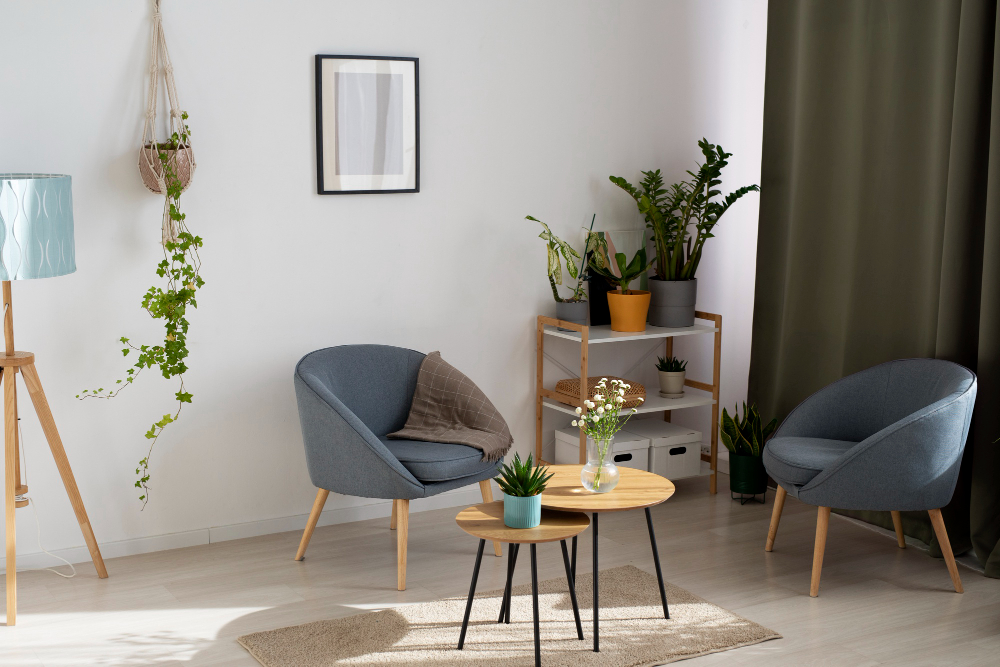
In 2026, home decor is not about purchasing mass-produced decorations anymore, but about Functional Art. Akrylika has gone from the canvas to the coffee table.
Because of its non-porous and incredibly durable nature, it is being used to produce customised furniture finishes, hand-painted accent walls and customised kitchen accessories. Its Low-VOC (Volatile Organic Compounds) nature makes it safe for use inside the house with no intense smells of chemicals that are present with traditional lacquers.
Click here to read about albfilm24: a popular-streaming platform
Akrylika Techniques That Enhance Decor in the House
The ways in which you upgrade your space include the following pro techniques:
The Layering Method
By using thin layers of Akrylika that are made transparent, you can help to create a depth akin to expensive marble or natural stone. This is heavily used in “Faux Finish” decor.
Glazing and Pouring
Acrylic pouring makes mesmerising and fluid pouring patterns. This on a table top or floor set of coasters gives a high-end, “liquid marble” appearance for a fraction of the price of the real thing.
Impasto Texturing
Applying a thickening medium with your Akrylika, you can produce 3D drawings on walls or frames, which can add to minimalist rooms a tactile premium look.
Check out minimalist room decor.
Environmental Sustainability: Akrylika’s Environmental Side
As we go through 2026, sustainability is not even optional. The industry has taken enormous steps forward to “Green Akrylika.”
Many manufacturers now have resins made from bio-based sources instead of petroleum. In addition, the focus has been on responsible disposal.
Pro Tip: Never wash your acrylic brushes in the running tap water. Use atwo-buckett system to settle the solids, then can dispose of the clear water, keeping the plastic pigments out of the water system.
Akrylika Compared to Traditional Material
| Feature | Akrylika | Oil Paint | Watercolor |
| Drying Time | 10–30 Minutes | 2–14 Days | 5–10 Minutes |
| Durability | Extremely High | High (but brittle) | Low (must be glass-framed) |
| Solvent | Water | Turpentine/Linseed Oil | Water |
| Cleanup | Soap & Water | Chemical Solvents | Water |
Future Trends: The Akrylika In The fields of home decor
The future of Akrylika is “Smart.” We are seeing the emergence of Photo-Luminescent Acrylics used in the decorative application of pathways and bedroom murals, whichuse light to absorb during the day and glow at night. Furthermore, the technology for Hybrid Media – in which artists paint over 3D printed textures using Akrylika – is becoming the new standard for modern luxury interiors.
Conclusion
Akrylika is not only a paint with a universal response to the modern era. Having the issue of the white wall being boring, or just wanting a new hobby, its quick-dry feature, its inertia and brightness all make it the ultimate creative feature. With this information on the types, techniques and best practices, however, you are well on your way to aesthetics at professional levels in your daily life.
Ready to be changed with colour in the world?
Would you like me to suggest a particular starter kit according to your budget, or maybe create a step-by-step guide for the creation of your first Akrylika home decor object?
FAQs on Akrylika
What is the difference between Akrylika and standard acrylic paint?
Akrylika usually means and refers to high-performance and professional-grade formulations. While “student-grade” paints are produced with a higher level of fillers and a lower level of pigment, Akrylika focuses on high pigment density and archival polymers. This has the advantage of better coverage, brighter colours and a resulting finish that will not fade away or get cracked over decades.
Can I use Akrylika Furniture outdoors?
Yes. Since Akrylika is a plastic polymer, it is inherently weatherproof and flexible so as to permit the swelling and shrinking of the wood. Nevertheless, to maximise lifespan, you will want to do the following: However, before paint is initially exposed to sunlight, you want to apply a clearUV-protectant type outdoor sealerafter the paint is completely dry (typically, it takes 48 hours).
In order to reduce the rate of the drying process, how do I do this?
If, when blending, we find that we are drying the paint too fast, there are three choices that we can make:
- Retarder: Be sure that you add a couple of drops of “Acrylic Retarder” into your paint.
- Misting: By using paints/watercolours/ ink, a fine spray bottle, lightly mist your working surface.
- Slow-Dry Mediums: These mediums replace water as a thinner and can organise the working time up to a minute (30 minutes).
Is Akrylika Safe for indoor use around pets and children?
Generally, yes. Most of Akrylika paints are water-based and labelledas non-toxic. They emit very little odour compared to the oil paints. HoHoweverer always check the label for “AP Non-Toxic” certification and stay away from colours that contain heavy metals such as Lead or Cadmium if you are working in an area that has poor ventilation.