
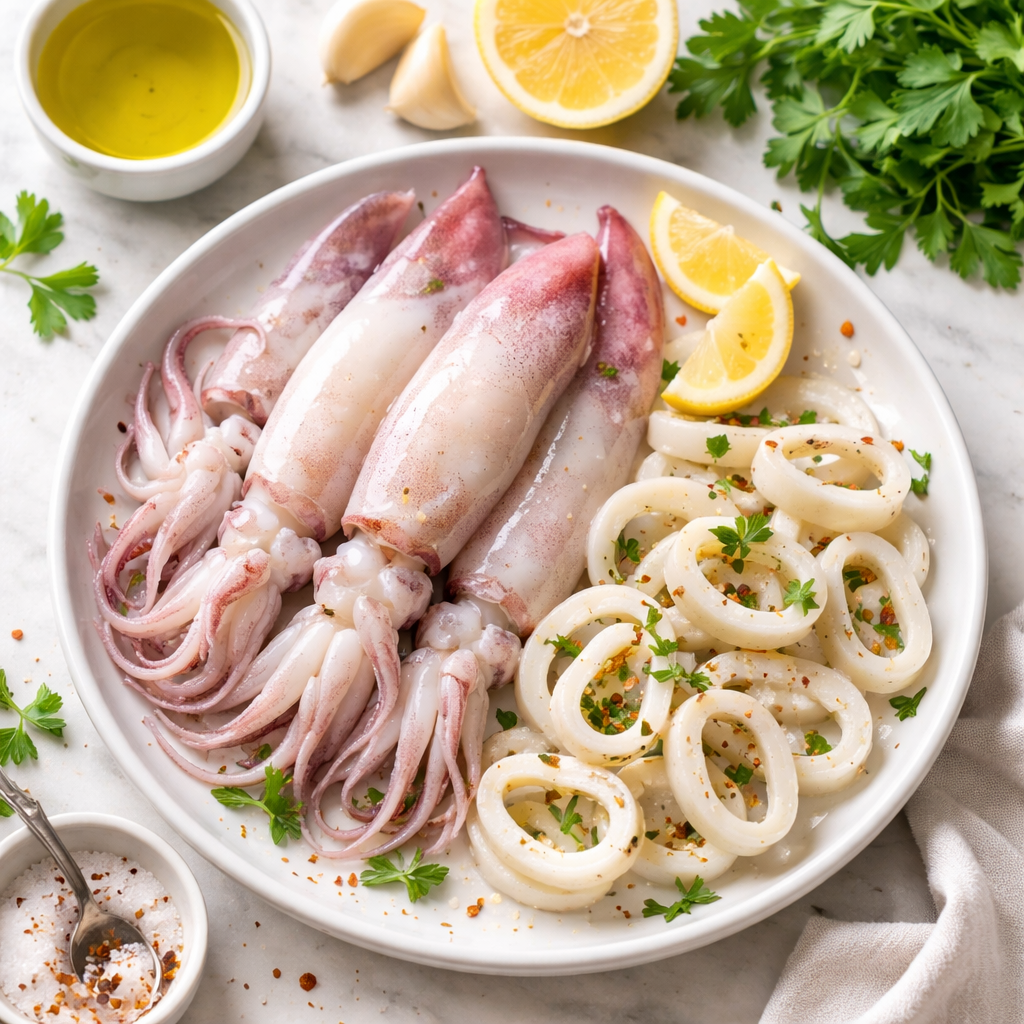

If you have ever sat at a seaside bistro eating that calamari out of your hand after it had a corkscrew-like quality to its taste instead of a delicious flavor, you’ve experienced the main obstacle of cephalopod cooking. The term Calamariere symbolizes the answer to this universal licensed kitchen frustration. It is a bridge between the crass bounty of the ocean and the fine-food plate of a gourmet.
In this guide, we are going to move away from the level of simple recipes. We are delving into what makes the Calamariere – a specialist’s way of sourcing, cleaning, nd cooking squid to ensure every calamariere treats it with tenderness, flavour, and sustainable respect for the creature.
Knowing the Calamariere: Defining & Roots
To make sense of the Calamariere, therefore, we need to consider the linguistic and cultural development. Historically and in the Italian coastal areas, the Calamariere was the man who, as a specialist fisherman, knew just this, that is, which “Egi” (jig), in what moon phase, would attract the squid from the depths.
In contemporary writing about cuisine, the term has changed. Today, a Calamariere is a culinary master or a connoisseur who has an understanding of the “soul” of the squid. It is no longer a matter of the catch, however; it is a matter of bold identity in contemporary food culture. When we talk about the Calamariere, we are referring to a commitment to precision. It is the difference between “throwing some squid in a pan” and knowing about the cellular structure of the mantle to get this melt-in-the-mouth texture.
Culinary Identity as the Adjustment of a Dish
We are too often mistakenly deceiving the ingredient and the craft. Whereas Calamari is the animal, Calamariere is the methodology. It resonates with modern readers because it must be implying a “Slow Food” approach – respecting the origin of the ingredient, and the particular techniques necessary to honor them.
Source and Selection (The Buyer’s Perspective)
The single biggest mistake that we see home cooks make occurs before they even turn on the stove. If you begin with low-quality industrially treated squid, no skill can save the dish.
Identifying Quality
As a Calamariere accustomed, your job is sensory evaluation first. When sourcing out looks for the following “Golden Rules”:
- The Eyes: They need to be clear and bulging (not sunken in or cloudy).
- The Skin: It should bevibrantn, nd intact skf the purple brown spots leaping or peeling; the squid is old.
- The Scent: Clean fresh squid should have the scent of a clean ocean breeze; the scent of the squid should never be “fishy” or smell like ammonia.
Sustainbest Nakuch Filfert van Markets
So in 2024-2025, when it comes to sustainability, it is not just a word, but a necessity. We recommend that you look for MSC certified determinar. Specifically, the California Market Squid and the Patagonian Squid have recorded high recovery rates due to the regulation of the seasons of fish harvesting. Choosing sustainable sources to eat means ensuring that the Calamariere’s tradition will last for generations.
The “Rubbery” Dilemma
The biggest issue in pain for most readers is texture. Squid is made up of dense fibers of collagen. So if you heat them just the right amount, they soften. If you heat them too long; They turn tight like a knot.
The Solution: The “Flash or Slow” Argument
Through our experience, we’ve found there is no in-between. There are two roads that you must follow:
- The Flash (Under 2 Minutes): High In Heat, Quick to Sear. This is the One for Rings and Tentacles.
- Slow (Over 45 Minutes): The low heat / braised in liquid. This breaks down the collagen to form a gelatinous substance, which makes it buttery soft.
Learning Calamariere Procedures: Step By Step
How to Clean Squid Like a Pro
Don’t you get scared looking at the anatomy? Cleaning your own squid is more economical,l and the resulting product will be fresher.
- Pull the Head: Prosperously get the mantle (or that tube), and pull out the head and tentacles away. Most of the innards will be included with it.
- Remove the Qui.ll There will be a hard piece of cartilage that is clear in color inside the tube. Pull it out, reconnaissance – it looks like a plastic feather.
- The Ink Sac: When you want to prepare “Nero di Seppia” (black pasta), and you are very careful, do not forget to set aside the small, silvery sac that is found in the innards.
- Skinning: Remove the dark spotted skin using cold running water.
The Art of the Sear
When sauteing, make sure that your pan is “smoking hot.” There is one who is always paper-towel-drying the squid first. Moisture is a source of steam, and steam causes that rubbery texture we are trying to avoid.
Click here to read about Fkstrcghtc: What Is It & How Does It Work
Tools of the Trade: What Every Calamariere Needs
To really be able to live with this identity, you need the proper kit. You need not be a kitchen professional, but these three items make a world of difference:
- Carbon Steel Wok or Cast Iron Skillet: These contain the heat necessary toachieve ae high “flash” sear.
- Precision Kitchen Shears: Many more than a knife are going to cut tubes into perfect rings.
- A Fine-Mesh Skimmer: A must-have when making “Calamari Fritti”, to make sure that you do not bring all the oil to the plate.
Use Case Recommendation: If you are a beginner, we would recommend a heavy-bottomed stainless steel pan. It helps you to see the “fond” (browned bits) forming, which is a great sign of flavour telling.
Frequently Asked Questions
What is Calamariere?
A Calamariere is a term that refers to mastery of the subject of squid. Historically, it has referred to specialised fishermen, but in the modern gastronomic sense, it is a chef or home cook who has obtained the specific and little techniques needed to source and prepare cephalopods to perfection.
Is calamariere the same as calamari?
No. calamari – is the ingredient (= the squid). Calamariere is who she is and what she is.
Conclusion: Take the Calamariere Adventure
Mastering the Calamariere way is a worthy journey for every seafood enthusiast. By concentrating of quality of sourcing, following the “Flash or Slow” principle, as well as avoiding typical mistakes, such as pan-crowding, you can turn a simple mollusk into a centerpiece dish.
With each variety, you may need to cook a totally different preparation or outcome, ranging from BBQ searing meat from blue hake to a braised attempt at sitaphal if it is too soft, so remember your time and locomotion are likely your biggest assets. You are not merely cooking seafood and following an ancient tradition.